

When Everything Starts to Break Down
There are times when nothing seems to work and everything begins to fall apart. What feels like loss and disruption may be the beginning of something much more important.
There is one event in your life: an event that is completely out of your control and one that you are powerless to stop no matter what you do or how hard you try. At first, it seems like things just aren't going your way or that you've hit a patch of bad luck. But then it starts to escalate into a series of unfortunate events for your life.
And the one characteristic that ties all of these things together is that nothing seems to work. All of the things that you try and all of the ways that you are living break down. This can be scary as it starts to look as if your life is going off the rails and you can't hang on to it.
But really, what is happening is the most important thing that will ever happen to you. And in fact, you shouldn't hang on to it. At this time, you should let go of the old and outdated: relationships that never really gave you anything good, habits and routines that are worn out.
And you don't need to race to replace these things immediately. Leave some space in your life for what comes next. This process takes time.
And time is something you have a lot of. And it's important to know that you are not alone in your struggle. Many other people have been through or are going through the same thing, though it may look different from the outside.
While this breaking down of your life is happening, you might feel under attack and anxious a lot of the time as you wait for the next bad thing to happen. And the only thing you can do at this stage is to brace yourself and let go of any expectations you may still have. It's best to accept what is happening and hold on to what you want to happen.
It's human nature to want nice things or to want things to be better, and you can't switch this off. But also, as human beings, we have the strength to grit our teeth and adapt to our situations. And as time moves on, new things come.
You move forward into a better place, but it's not much better. Small increments of progress are all you get in this period. This is the beginning of a chance to start again.
But you're still you, and your life is still recognizable as your own. It includes elements of your old life and it still functions as such. But you have to get used to some new rules and the new ways that your life works, or sometimes doesn't work.
And when you're doing the wrong thing because you're painfully shown that it's wrong. Every time you run into trouble, it's a wake-up call to change your behavior or to think differently about what's in front of you. And the faster you find out what to change, the easier it is.
The biggest changes, of course, are to yourself. And you find that you lose yourself for a while, and that's okay because you find yourself again as you piece together your new life. And in this new life, new things happen.
You are able to have new experiences and explore new thoughts and ideas. How you see your life is different too, and you start to judge what's happening in it from a different perspective: a perspective of being able to see more clearly what's really going on. This process takes a long time.
You may have already been through it, you may be going through it right now, or you may be yet to go through it. But wherever you are up to in your life, it's important to know that your life is not as bad as it may seem. And although progress is slow, you are moving forward into a better place.
What feels like everything falling apart may be what allows something new to begin.
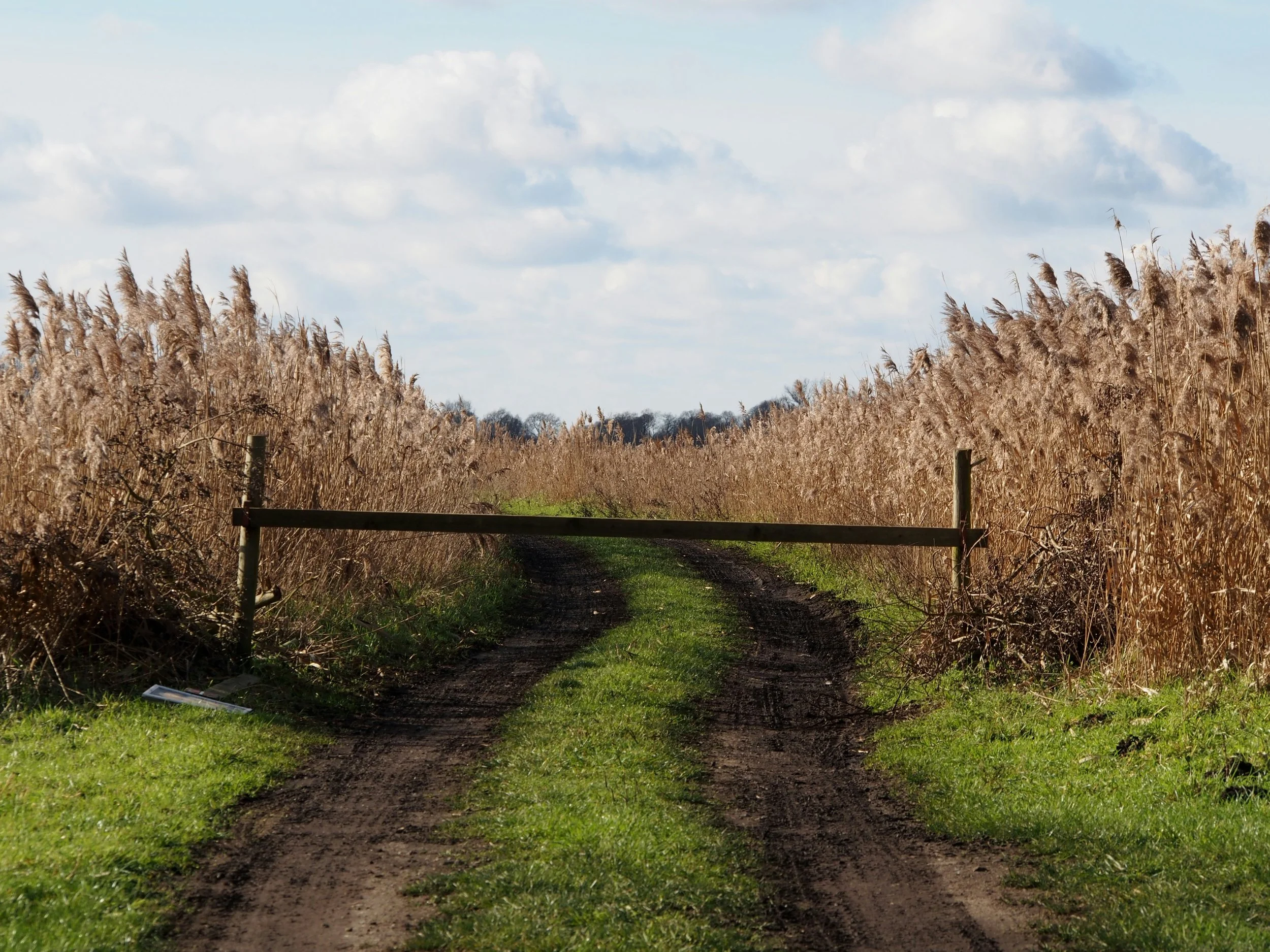
When Your Choices Start to Narrow
Your choices often feel wide open, but when you look more closely, they begin to narrow. What seems like limitation may be showing you something about timing, direction, and what is actually possible.
Every day, you are faced with choices. Choices about what to do, how to do it, and when to do it. But when you look more closely, your choices aren't as wide and numerous as they first might appear.
It feels more like you are funneled and blocked into having less and less freedom to choose until you have to make a decision, and that decision may or may not be one you are happy with. You are also limited by things that pop up which are out of your control. These things stop you from proceeding with what you want to do, but it is unclear at the time whether they affect your life positively.
It's especially easy to notice this when you are using a phone or computer. For example, you are trying to buy something, but the page won't load or the information you just put in gets lost. And there are usually perfectly logical explanations for why these things happen, but when they happen, what you should be asking yourself in these situations is, should you keep trying?
When you are being blocked in this way, it's always smarter to ask yourself if you should continue trying to do it. And the best answer is always that you should not. But that doesn't mean that you have to give up on it completely.
It may be just that you need to come back to it later. The timing of everything in your life is, and should be, important to you. So you need to be sensitive to what's happening, what's working, and what's not.
Then you can more quickly pick up on when you should change or stop doing what you're doing. Something else that you are not always in control of is money. You can manage it to the best of your ability, but sometimes it is unavoidable that you don't have enough of it to do what you want to do.
But it's more than that. Not having enough money makes you feel like you can't do things, even though you probably could if you worked it out. So this also limits your choices or forces you to choose one thing over another.
And a compromise is not a true expression of your free will to choose. When you feel limited by your resources, it's always best to choose the option that gives you the feeling of being secure in your life. Another experience of being blocked from doing something is when the information you are using to plan what you are going to do changes or new information comes to light.
Usually, this happens just when you're about to start doing the thing that you want to do, and suddenly it feels like the rug has been pulled out from under you. This is, of course, accompanied by a sickening feeling in your stomach as you realize that a plan you were so sure of is suddenly now unworkable because of the new information you have. In this situation, you should be very careful.
It's always best not to make any quick decisions and to do nothing until you can re-evaluate what your options are. And there is one more way you are stopped from doing what you want to do by things out of your control, and that is when what you want to do is physically and mentally impossible. And I'm not talking about something extreme.
It could just be a fun day out. And it might even be something that you've done before or something that other people seem to be able to do whenever they want to. But for you, at that moment, the physical exertion of doing it and the mental planning to execute it are beyond you, and it just seems impossible.
So when you are not able to do what you want to do, it's very important to first recognize that it is due to factors out of your control, but then to look at what the thing stopping you is. Knowing that it's not your fault that your choices are limited and that you are doing everything you can stops you from blaming yourself but also helps you to be ready for when the impossible becomes possible.
Sometimes what feels like limitation is simply showing you where your attention needs to be.

How to See What Your Life Is Showing You
Your life moves through stages, each with its own focus. When you learn to recognize where resistance is appearing and where movement is possible, you begin responding to your life more clearly instead of pushing against it.
If you change how you think about your life, you will start to live differently. If you base how you think about your life on how your life works and the rules it follows, then you will be starting to live your life how it is supposed to be lived. But if you don't know how your life works, then you need to be able to look clearly at what is happening in your life.
So how do you look clearly at what is happening and, very importantly, what are you looking for? Seeing clearly what is happening really means looking at your life in the right way. So how should you look at it?
Your life has stages. These are periods of time, and each one has a different focus. Each one has a number of opportunities for you to act in the way that is best for you so that you benefit from it.
And what are you looking for when you look at your life? You are looking for where the constantly changing boundaries are. You are looking for the places where you can move things forward and the places where you are getting resistance.
You are feeling your way inch by inch into the future. You are looking for who is helping you and who is holding you back. Label these people as such and see if it changes.
If people are holding you back, then it's not time to move that area of your life forward yet. Timing is crucial in your life. You should always be doing the thing that needs to be done and recognizing the right time to do it.
That means you need to always be aware of the next thing you need to do, no matter how small or trivial it may seem. The smaller things move the bigger things along, so it benefits you to keep everything running smoothly. Keep all parts of your life in view at the same time and look for which parts you can move forward and which you can't.
Then focus on the things you can change either now or in the near future. And take time to look back into the past and see if you've missed the chance to make a change. If you did, then wait for a similar chance to come around again and go for it.
Who are the people close to you? And what is going on in their lives right now? Look at how they are reacting to what is happening in their lives.
Do you react in the same way? It's important that you think about the choices that the people around you make and see whether their choices were the best thing for their lives. You can then apply this to your own life.
On the flip side of this, you are also affecting the people around you. You affect people by how you act, so if you are making the choices that are best for your life, then people will see that. Your life is meaningful.
But to get the meaning out of it, you need to live it in the right way. Your life has purpose, but one major purpose is to take part in it with the right intentions. You should think of yourself as a person whose every thought and every action is meaningful.
How you think and how you act can change your life. Take the future, for example. What would you like your life to be like in the near future?
What small improvements would you like to make or what small changes would you like to make to yourself? To start moving towards this future, you need to be aware of the opportunities and chances that come along to bring that future closer to you. And you can only do that by paying attention to every small detail of your life.
You also need to be sensitive to yourself and how you are feeling. Some days you can't move your life forward at all. It's just too difficult.
But other days you can make progress in great strides. Now this has nothing to do with how much or how little you are trying to move your life forward. It's just that some days are there for waiting.
What day is today? Because if you can read your life more quickly, then you can adapt faster to the changes that happen in your day and be ready for what's coming next.
If you would like to look more closely at the stage you are currently in, you can begin with the free guide.

How to Recognize Real Progress in Your Life
We all want to feel that our lives are moving forward, but progress doesn’t always appear where we expect it. Sometimes it shows up quietly, in the areas that needed change most. Learning to recognize real progress means understanding how life actually develops over time.
We all want to feel like our lives are moving forward and to see that we are progressing in our situations. But what does progress look like, and how do we know if we are moving forward? One of the problems here is that we all have preconceived ideas about what these things will translate to in our lives.
So if we don't get the progress we want exactly in the area of our lives that we want it in, then we feel like we are not moving forward and, more importantly, that our lives are not improving. But before we talk about progress, let's take a step back and look at how we can measure where our lives are at. And to do that, we need to ask ourselves what situations we are having.
And to do this properly, we should first break our lives into the three main areas, which are family, work, and our personal lives. So in each of these areas right now, are we having good situations or bad situations? And where are we getting the most trouble from?
Even if it's just an annoyance, which part of our lives is it coming from? And in these areas, are there particular people who are continually causing that trouble? Or is it just that we have feelings of anxiety and worry in these areas or that a situation we are in is very difficult right now?
Once we have identified what is wrong and which area it is in, we can track it. Usually, these kinds of things are out of our control, so we can't do anything to change them. But it's important to follow how or if they develop.
We should also look at what kinds of situations are repeating. This is a sure sign that there is something not quite right in our lives. Often, things that repeat need our attention.
We need to ask ourselves if there is something we need to do differently or if there is something we need to change so that it doesn't repeat again. So those are the kinds of situations we are having in our lives, but we also mustn't overlook what is working well for us. These are the things we have in our lives that don't need to change and the things that give us stability.
We should acknowledge these too. Next, we should ask ourselves for each of the three areas what we don't have or what we would like more of in our lives. If we know this, then we can see if anything happens that brings us closer to these things.
So now we are ready to ask the question about progress. And it's important to use the right timeline here. We aren't measuring our progress in hours and days; we should be using weeks and years to see the big picture of change in our lives.
So what does progress look like, and are we getting it in our lives? Of course, the answer is yes, so how do we recognize it? If we can see that a part of our lives is easier now compared to the recent past or that situations that used to go horribly wrong only go slightly wrong now, then this is good progress.
But the biggest indicator of progress is that an area of our lives will feel lighter than it was before. And when we look back at it in the past, it will seem like it was more stressful. And I don't mean that our situations are necessarily easier now because they might still be difficult, but what is different is that they feel better and more positive.
One of the problems with seeing our progress clearly is that as soon as we move forward and changes happen, we are often hit immediately by other problems. These problems could even be in another area of our lives, but what happens is that they distract us from our progress and also detract from it because we can't enjoy it as much. So feeling like our lives are the same and haven't moved on usually translates as we haven't got the changes we wanted yet.
But what we got instead were changes in the areas that needed to change, while we look forward to the ones that we think should change next.
If you would like to understand more about how to recognize what your life is showing you as it unfolds, you can begin by learning how to notice the patterns already present.

Recognising the Purpose of This Period of Your Life
Purpose isn’t something we invent — it already exists within the stage of life we’re living. This article explores how purpose reveals itself through repetition, pressure, and ‘knowing,’ and how committing to it helps shape meaningful change.
Our lives have purpose, or to be more accurate, our lives have many purposes. As we go through our lives, each period has its own purpose. But a purpose is not something that we make up by ourselves.
It's something that already exists in our lives. We have one right now in this part of our lives. Either we don't know what it is or it's something that we are already doing, but we haven't acknowledged it as our purpose.
So if we don't know what it is, then we are missing an opportunity to achieve it. Also, if we did know what it was, we could more clearly focus on it and get a more meaningful experience from it. But let's take a step back for a second and ask, what is a purpose?
A purpose is a goal in a specific area of our lives. It is something that can only be achieved by us but could be for us or for the people around us. So how can we find the purpose of this part or any part of our lives?
We need to be careful here because there could be something that we want our purpose to be or something that we feel strongly that our purpose is, but really it isn't. So how can we know that something is our real purpose? That's really down to what is generating the need for that purpose.
Always, a purpose is wrapped up in our daily lives. It is related to the main theme of what we are going through at the time, so it could be related to work, family, or our private lives. So in one of these areas, the need for that purpose keeps trying to get our attention more than anything else, and while we are in this particular period of our lives, it will keep coming up and making itself known to us.
It could be a problem, an issue, or something we keep thinking about more than anything else. It could be an area that causes stress or where we get criticized by others, or a place where there's conflict. But it's definitely something that repeats.
, it's down to us. When we are trying to find it, it will bring with it a "knowing" that it's the right thing. There is nothing more valuable than really knowing something.
And we must remember that "knowing" is a feeling, not just a thought. So once we've identified what that thing is, the next step is to work out what we need to be doing about it. So what is a purpose trying to do?
Every purpose, of course, is trying to improve our lives in a small or sometimes a big way. But it's best to think of them as building blocks on the way to a bigger purpose. So we should look for how we can elevate the particular situation we have identified and how our input can alter it.
Purposes are pieces of the puzzle that help us make gains in our lives if we can focus on them and commit to them. And, of course, while we are pursuing a purpose, it brings us all of the experiences that go along with working towards that purpose. And these experiences help to shape and change us.
And we mustn't forget that it's okay if we make a mistake finding the purpose for this period of our lives, as long as we realize and try again. If we are wrong, we'll soon find out because we'll meet a lot of resistance to what we are doing. That's not to say that our purpose won't be challenging, but if it becomes unreasonably difficult, then we are on the wrong track.